OEM and ODM are used loosely and mean quite different things for cost, control, timeline and how defensible your product is.
The two terms get used interchangeably in supplier conversations. The distinction matters, because it determines how much you invest up front and how much of the result you actually own.
ODM — the supplier's design, your brand
In an ODM arrangement you select from products the manufacturer has already developed. You choose colours, materials, packaging and branding, but the underlying design belongs to the factory.
It suits you when:
- You want to reach market quickly
- Your order volume is moderate
- An existing product already meets your requirement
- You would rather not fund tooling and development
The trade-off: the same product is available to your competitors, often from the same factory. You are competing on brand, distribution and price rather than on the product.
Lead times are shorter, minimums are lower, and up-front cost is limited to samples and packaging artwork.
OEM — your design, their production
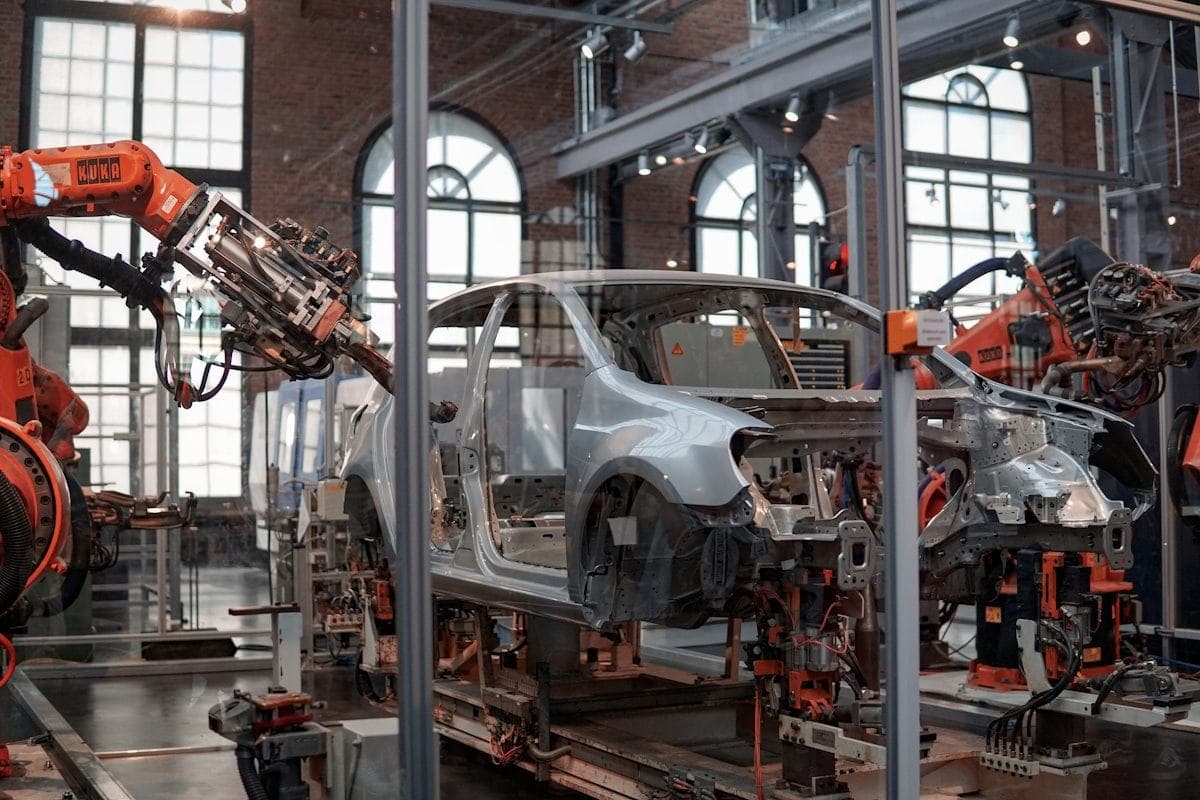
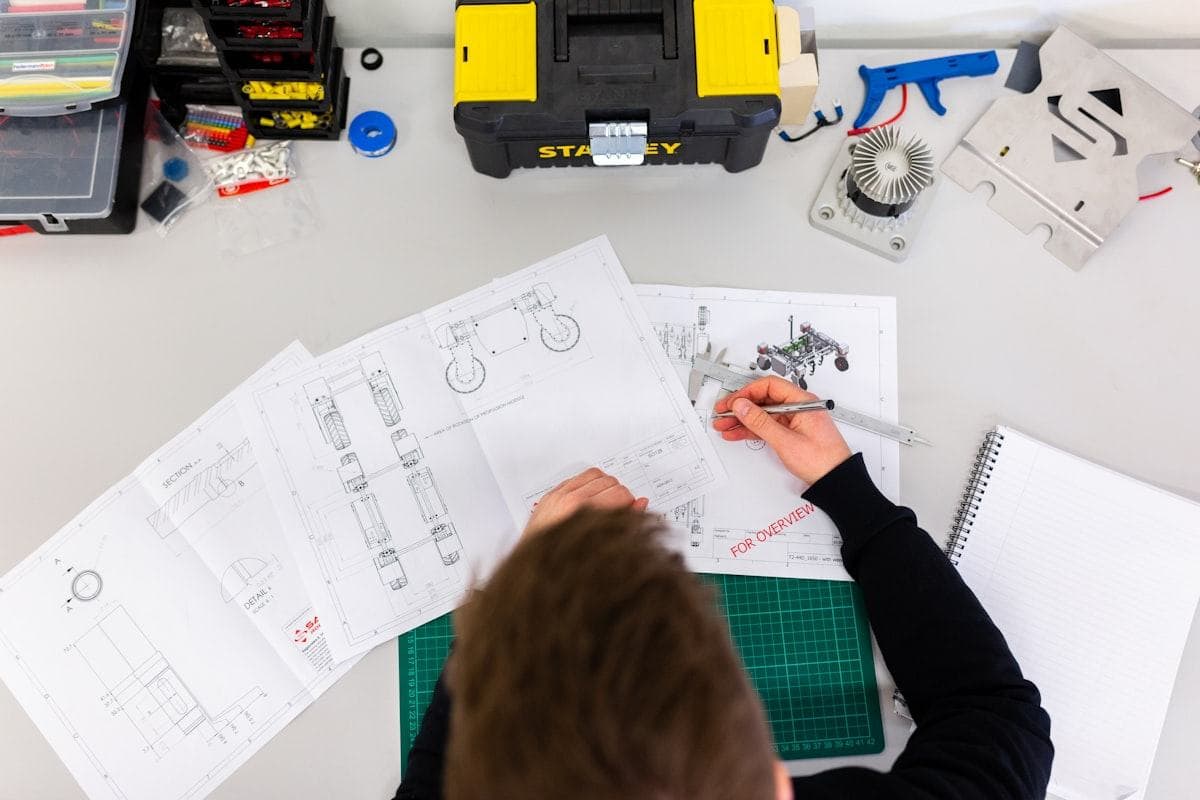
In an OEM arrangement you bring the design and the manufacturer produces to your specification. You own the design, and typically pay for the tooling.
It suits you when:
- Your product needs to differ meaningfully from what is available
- You have volume to justify development and tooling
- You are building a brand where the product itself is the differentiator
- You want exclusivity
The trade-off: higher up-front cost, longer development, larger minimum orders, and more of your own engineering time. Tooling can run from hundreds to many thousands of dollars depending on complexity.
The practical middle ground
Most buyers end up somewhere between the two: an existing product with meaningful modifications. A changed housing, a different material, an added function, custom packaging. This is often the best value — real differentiation without full development cost.
Be explicit about what is being modified, and get it in writing. "Same as your sample but with our logo" is where disputes begin.
Questions to settle before starting
- 1Who owns the tooling? If you pay for it, say so in writing, and agree what happens if you change supplier.
- 2Is there an exclusivity period? Without one, your modifications may be offered to others.
- 3What is the development timeline? OEM projects routinely take two to three months before mass production begins.
- 4What happens if samples fail? Agree how many rounds are included before extra charges apply.
- 5Who owns the design? State it explicitly, particularly where the supplier contributed engineering input.
A reasonable path
For most businesses entering a new category, starting ODM and moving toward OEM as volume justifies it is the sensible sequence. It lets you validate demand before committing development capital, and it builds a working relationship with the factory before you depend on them for something bespoke.
The mistake worth avoiding is funding a full OEM programme for a product whose market you have not yet tested.
Sourcing something similar?
Tell us the product, quantity and destination, and we will come back with supplier options and an indicative landed cost.